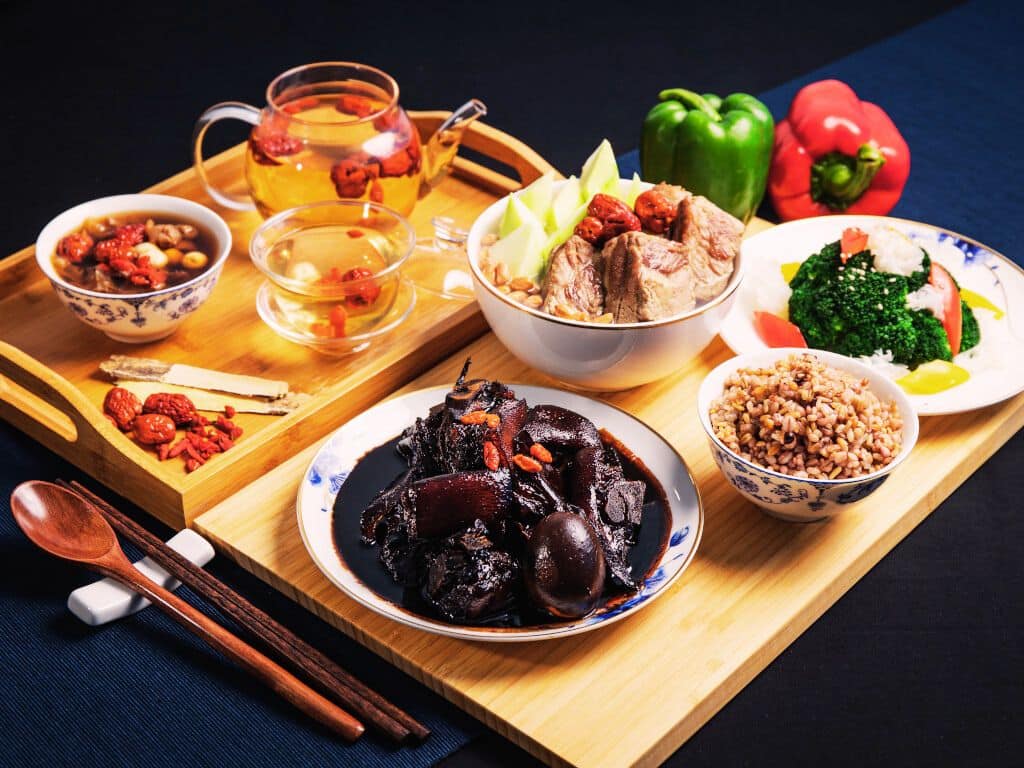
The Role of Food in Chinese Confinement
In Chinese tradition, food is medicine—especially after childbirth. For thousands of years, Chinese families have followed a practice called "zuò yuè zi" (坐月子), or postpartum confinement, where a mother rests and heals for 30 to 100 days. During this time, food plays a central role. Meals are chosen carefully to help the mother recover her strength, produce breast milk, and restore balance in the body.
The practice of zuò yuè zi dates back over 2,000 years to the Han Dynasty. Historical texts like "The Yellow Emperor's Classic of Medicine" mention special dietary and lifestyle practices for women after childbirth. These traditions have been refined over generations and continue to be practiced today, even in modern, urban settings.
What Makes Chinese Confinement Meals Special?
Unlike typical daily meals, postpartum meals during confinement follow specific health principles. These meals aim to:
- Rebuild blood and energy (qi): After giving birth, a mother loses blood and strength. Certain foods help restore both.
- Warm the body: According to Traditional Chinese Medicine (TCM), the body is cold after childbirth. Warm meals help push out cold and improve circulation.
- Promote breast milk production: Many soups and grains are used to increase milk supply.
- Prevent long-term health problems: It is believed that poor postpartum care can lead to joint pain, fatigue, and weakness later in life.
Recommended Chinese Postpartum Foods
🌿 Ginger
One of the most important ingredients in Chinese postpartum cuisine. It warms the body, helps digestion, and removes "wind" from the body.
How to use: Add sliced ginger to soups, stews, and stir-fries. Make ginger tea by steeping sliced ginger in hot water with red dates.
🖤 Black Sesame
Rich in calcium, iron, and beneficial fatty acids. Helps rebuild blood and strengthen bones. Also believed to benefit the liver and kidneys.
How to use: Make black sesame soup, incorporate into congee, or use in rice dishes.
🍗 Sesame Oil Chicken
A classic confinement dish. The rice wine helps blood circulation, and the chicken provides protein and warmth. The sesame oil adds beneficial fatty acids.
How to use: Marinate chicken pieces in rice wine before stir-frying with ginger and sesame oil.
🍲 Herbal Soups
Soups made with red dates, goji berries, angelica root, and Chinese yam help balance hormones and build energy.
How to use: Simmer herbs with meat bones for 1-2 hours to extract maximum nutrition.
🌾 Brown Rice & Millet
These grains are easier to digest than white rice and help with gut health and energy. They provide sustained energy and essential B vitamins.
How to use: Make congee (rice porridge) with brown rice or millet, adding ginger and other warming ingredients.
🍎 Red Dates (Jujubes)
These sweet fruits are rich in iron and vitamin C. They help build blood, boost immunity, and calm the mind.
How to use: Add to soups, teas, or desserts. Can be eaten whole after stewing or made into a tea.
Traditional Healing Recipes
Sesame Oil Chicken
Ingredients:
- • 1 whole chicken, cut into pieces
- • 1/2 cup sesame oil
- • 1 cup rice wine
- • 10 slices of fresh ginger
- • 8-10 cloves of garlic, smashed
- • Salt to taste
Instructions:
- 1. Heat sesame oil in a large pot over medium heat
- 2. Add ginger and garlic, stir-fry until fragrant
- 3. Add chicken pieces and brown on all sides
- 4. Pour in rice wine and bring to a boil
- 5. Reduce heat to low, cover, and simmer for 30-40 minutes
- 6. Season with salt to taste before serving
Benefits: Warms the body, expels wind and cold, promotes blood circulation, and aids in milk production.
Foods to Avoid During Confinement
Just as some foods are encouraged, others are avoided because they are believed to harm the body during recovery:
❄️ "Cold" Foods
Watermelon, cucumber, mung beans, most raw vegetables, citrus fruits, and cold beverages
🌶️ Excessively Spicy Items
Hot peppers and strong spices that may disrupt digestion and affect breast milk
🧊 Cold Beverages
Ice water, cold juices, and refrigerated drinks are strictly avoided
🧂 Excessive Salt
Too much salt is believed to cause water retention and impede healing
Need Help with Postpartum Nutrition?
Our experienced confinement nannies prepare traditional healing meals following authentic Chinese postpartum nutrition principles.
Find Your Confinement Nanny